Have you ever heard of RFID?
This time, let’s talk about how RFID is used in restaurants and what benefits it brings.
So, first of all, what is RFID?
RFID (Radio Frequency Identification) is a technology that uses electromagnetic waves to identify and track objects.
It has two main parts:
- ☞ RFID Tag: a small chip that stores information.
- ☞ RFID Reader: a scanner that sends out radio waves.
The reader can detect many RFID tags at the same time.
Where can restaurants use RFID?
✅ Inventory Management
✅ Order Tracking
Fast-food chains can attach tags to trays and track each order:
Kitchen ➡ Pickup ➡ Table
This allows orders to be tracked in real time and reduces mistakes.
✅ Inventory Management
If stock items are tagged, managers can see the exact quantity and expiry dates without manually checking. This saves time and effort.
✅ Self-Service
In self-service restaurants, plates and cups can have RFID tags. When customers place the tray on a reader, the total bill shows up automatically.
(This is similar to what UNIQLO uses at its self-checkout counters.)
✅ Cashless Payments
With RFID-enabled wristbands or cards, customers can simply tap on a reader to place orders or pay directly through their linked bank account.
✅ Cashless Payments
With RFID-enabled wristbands or cards, customers can simply tap on a reader to place orders or pay directly through their linked bank account.
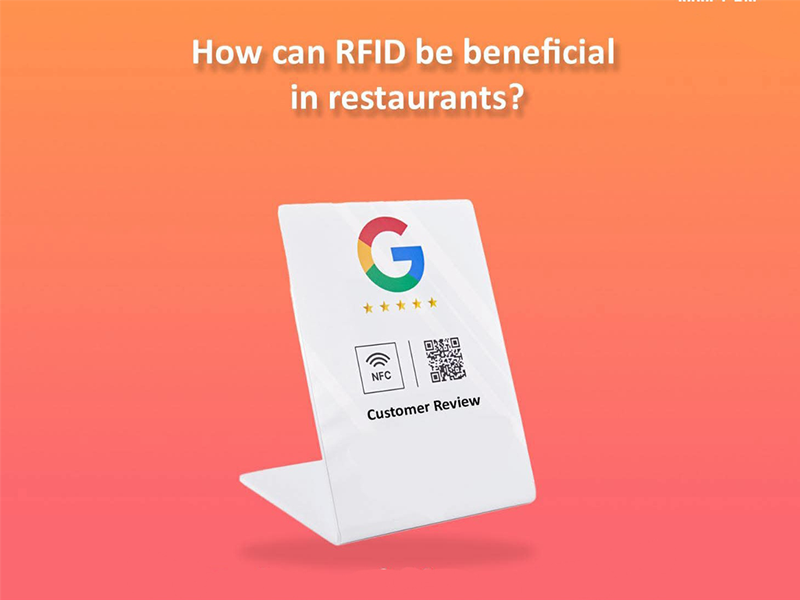
This is especially useful for people who may feel shy or uncomfortable to ask customers face-to-face to leave a review. With RFID, the process is quick, private, and effortless, which means more reviews for your business.
Types of RFID Tags
✅ Disposable Tags
One-time use, usually attached to food packaging.
✅ Reusable Tags
Durable, used on trays, plates, cups, or wristbands. They’re basically designed to last.
Pros and Cons
Pros :
- 👉🏻 Saves time and reduces manual effort, improves efficiency.
- 👉🏻 Provides accurate, real-time inventory information, reduces waste.
- 👉🏻 Fewer order mistakes.
- 👉🏻 Better customer experience.
Cons :
- 👉🏻 High initial cost for small businesses.
- 👉🏻 May take time to integrate with existing POS or management systems.
- 👉🏻 Writing a review no longer takes extra time , and for the restaurant, there’s no need to awkwardly ask customers one by one to leave feedback.
It’s a true win-win situation 🏆
So as a conclusion,
RFID is like a barcode, but more efficient, you don’t need to scan items one by one.
By using RFID, restaurants can enjoy all the benefits above: faster service, smarter inventory control, and happier customers.
So next time you visit big fast-food chains like McDonald’s or Burger King, keep an eye out. You might notice how they’re using RFID technology behind the scenes.
Feel free to check out my work profile here. You can contact me for work or inquiries: ☟︎
https://www.khsportfolio.comRelated Posts
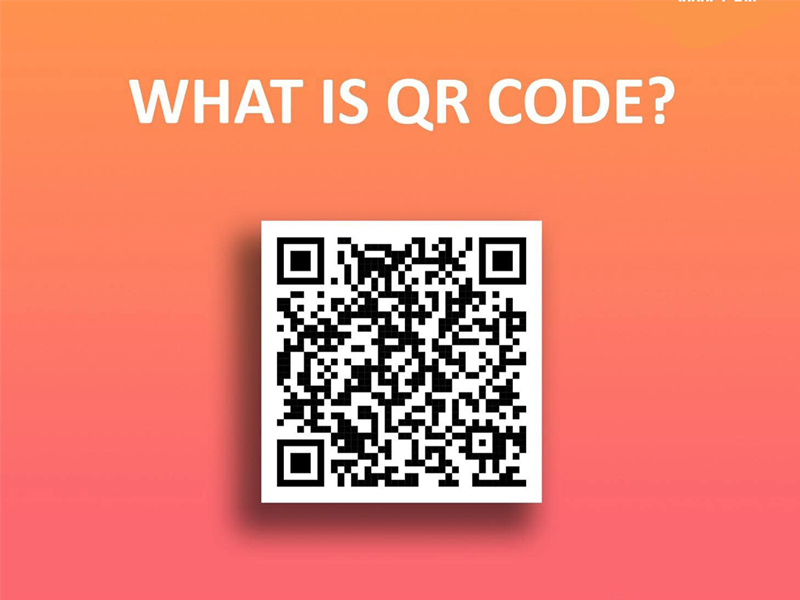
So, what exactly is a QR code?
27 May 2025